Current-Carrying Capability with Hyperboloid Technology
Discover how IEH Hyperboloid connectors deliver superior current-carrying performance in compact, high-reliability applications across aerospace and defense.
Sep 19, 2025
Current-Carrying Capability with Hyperboloid Technology
In mission-critical industries where space is tight and reliability is paramount, power delivery systems must do more with less. From aerospace and defense to advanced medical tools and satellites, engineers face mounting pressure to pack high performance into smaller, more efficient systems. IEH’s hyperboloid contact technology answers that challenge.
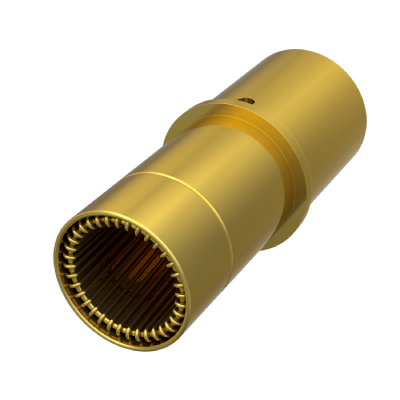
Engineered for maximum reliability and current-carrying capability, hyperboloid connectors outperform traditional solutions with their multi-line contact design. Unlike standard contacts that rely on just two or three contact points, hyperboloid contacts use a flexible wire-basket structure that fully envelops the mating pin. This expanded surface area significantly reduces resistance and heat, delivering higher current in a smaller footprint, without compromising safety or performance.
High-Power Performance Where Space Is Tight
IEH’s Hyperboloid connectors are built for high-current applications where space, weight, and heat management are critical. Notable use cases include:
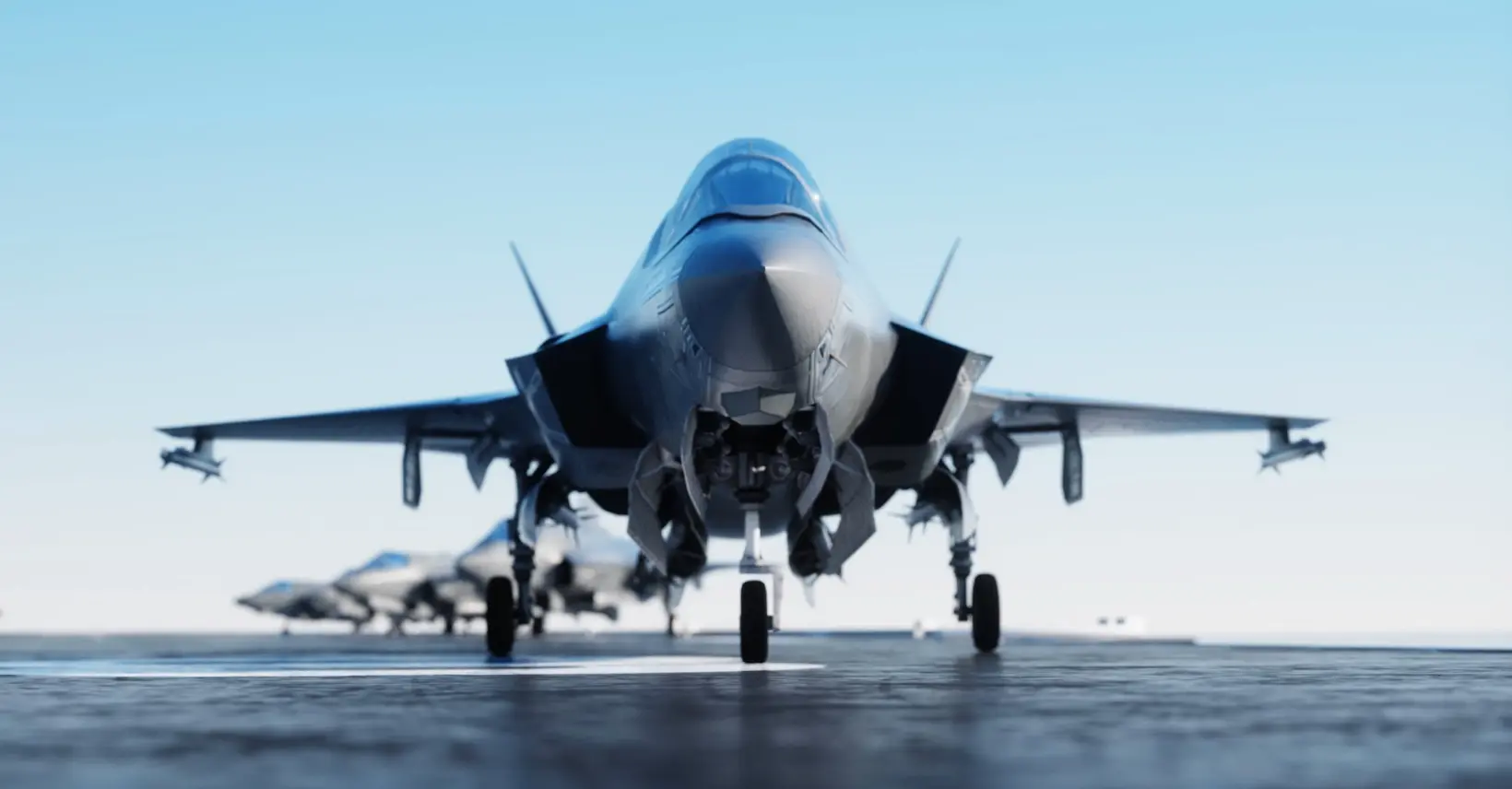
- F-35 Fighter Jet Engine Startups – Delivering large bursts of power during high-vibration, high-load scenarios without failure.
- Handheld Surgical Tools – Managing heat while delivering precise current in compact, high-precision medical instruments.
- Commercial Aerospace Avionics – Offering compact, high-density solutions where reliability under extreme conditions is non-negotiable.
These applications demand connectors that provide maximum current without sacrificing thermal performance or mechanical stability—requirements that IEH’s hyperboloid contacts consistently exceed.
The Hyperboloid Advantage: More Contact, More Power
Standard electrical contacts rely on just two to three contact points, much like the tines of a fork. This limited surface area restricts current-carrying capacity and increases the risk of overheating. In contrast, IEH’s hyperboloid contacts use a flexible wire basket that envelops the mating pin, creating multiple lines of contact.
This expanded contact surface distributes the electrical load more efficiently, reducing resistance and heat generation. The result? IEH hyperboloid contacts can typically carry 50–100% more current than traditional contacts of the same size, with less temperature rise.
Mitigating Temperature Rise
Heat is the enemy of electrical performance. Inadequate current distribution leads to rising temperatures, which can degrade materials, damage circuits, and compromise signal integrity. Hyperboloid contacts combat this with their unique design, ensuring optimal conductivity and reducing localized hotspots.
For systems where overheating simply isn't an option, this means greater operational headroom, longer service life, and fewer thermal constraints on design.
Moving Beyond the Connector Body
IEH also develops high-power contacts that operate outside of a standard connector body. These discrete contacts allow more current to pass through tighter interfaces, enabling smaller board layouts and lighter systems.
This innovation is particularly beneficial in portable or power-dense environments, like defibrillators, where engineers must maximize energy delivery within extremely confined spaces.
Rethinking Hybrid Connectors
The idea of combining signal and power contacts in a single connector housing is appealing—simplifying system architecture and reducing component count. Yet adoption has been slower than expected. Market awareness remains a hurdle, and the physical size constraints of hybrid designs often limit practical use in tight applications.
As more industries pursue system consolidation, IEH continues to develop hybrid solutions that reduce footprint while maintaining performance, anticipating broader adoption as awareness grows.
Designing for Power and Signal Integrity
Integrating power and signal in a single connector presents challenges. One of the most important things among them is maintaining safe voltage separation between contacts to avoid interference and arcing. This spacing often necessitates a larger connector, at odds with the trend toward miniaturization.
Balancing these competing demands is a key area of innovation for IEH. Our engineering team works closely with customers to optimize layouts that preserve integrity without sacrificing compactness.
More Wires, More Current
While many traditional contacts use just a few contact points, hyperboloid designs can incorporate five to thirty or more fine wires. Each wire contributes to electrical conductivity and mechanical stability.
This density not only increases current-handling capabilities but also improves vibration resistance and long-term signal continuity. The flexible basket conforms to the pin under stress, maintaining a stable, high-performance connection even in harsh environments.
Built on Proven Testing
IEH supports every performance claim with transparent, rigorous testing. From internal evaluations to third-party validation, our connectors are put through real-world conditions, including shock, vibration, and current overload.
Customers often conduct their tests as part of system qualification, and IEH partners closely during this process. Our willingness to collaborate builds trust and ensures performance under pressure.
Meeting the Industry’s Tightest Demands
As technology evolves, systems across the aerospace, defense, and medical sectors are shrinking while power demands increase. Hyperboloid connectors are uniquely positioned to meet this challenge, offering a compact solution with exceptional current delivery.
From the fighter jet cockpit to the operating room, IEH connectors are engineered to thrive where others fall short.
F-35 Joint Strike Fighter: A Proven Example
One standout application of hyperboloid performance is in the F-35 engine startup system. Traditional mil-spec connectors simply couldn’t meet the current requirements in the available space. IEH’s HSC 3570 hyperboloid contacts delivered the necessary performance—without requiring larger housings or compromising system layout.
This success story is one of many that highlight why engineers continue turning to IEH for mission-critical power connectivity.
Looking Ahead
With next-generation defense systems, spacecraft, and compact surgical tools on the horizon, the demand for reliable, high-current, space-saving connectors will only grow. IEH is advancing alongside these needs—refining materials, developing new geometries, and continuing to push the boundaries of performance in tight spaces.
Need a connector that delivers more power in less space? Contact our team today!